top of page


RNA plays indispensable roles in almost every aspect of cell functions. The presence of RNA at the precise location and the designated time is crucial to cell survival and development. Dysregulation of RNA processing, including transcription, splicing, transport, and decay, has emerged as a major contributing factor to neurodegenerative diseases, which are characterized by irreversible neuron loss and gliosis. However, current methods limit our capability to decipher RNA’s biological functions with high spatial and temporal resolution to interrogate the cause and progress of these fatal neurological diseases. The approaches that can assay RNA locations usually involve tedious cell fractionation procedures, which are prone to generate false positives and negatives. Thus it is urgent to assay cellular RNA localization in an unbiased manner.

Chemical approach to profile RNA localization in live cells with high spatial resolution:
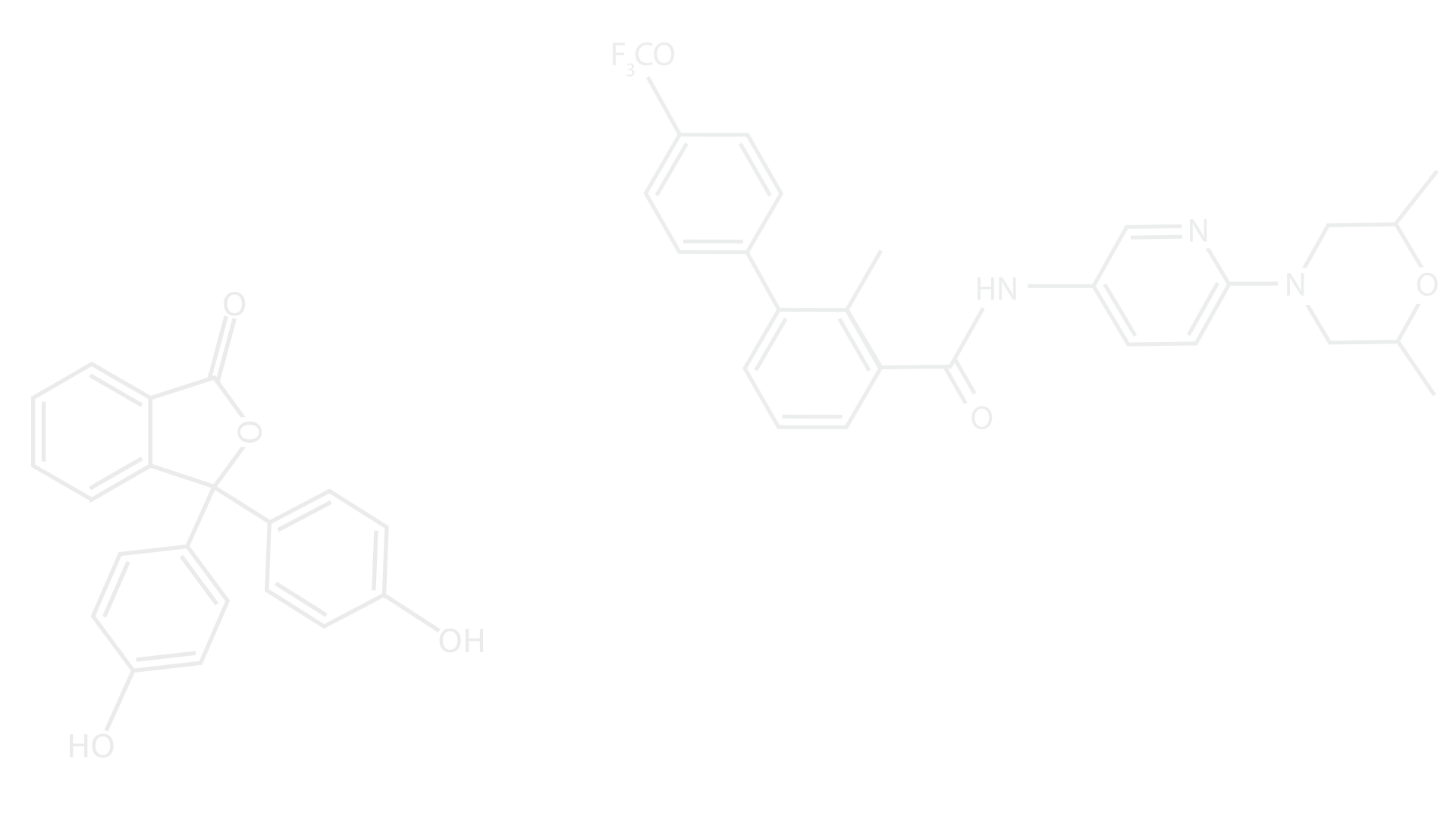
Singlet oxygen oxidizes guanosine in RNA, creating a reactive intermediate that can form nucleophilic adducts with amine species. In live cells, transcripts near generators that produce singlet oxygen upon light exposure and in the presence of propargylamine can subsequently be biotinylated, enriched, and analyzed. However, challenges in molecular design persist, particularly in achieving self-guided localization and wash-free activation. Innovative chemical tools are essential to integrate RNA localization with broader aspects of RNA biology, such as RNA modification and RNA-protein interactions. Furthermore, to expand the applications and enhance the exploration of RNA biological functions, more streamlined methods for RNA localization profiling are necessary.
The continued development of RNA localization profiling tools serves a dual purpose: first, to uncover dysregulated RNA localization in disease; second, to enable strategies for its therapeutic restoration.
bottom of page